Usually people have some questions about the type of yoga that I teach – there are so many names and forms out there that it is hard to keep them straight, know which one works for you, all the while wondering what all these Sanskrit words mean that your instructor is casually throwing around. I’d like to answer some questions about Sivananda Yoga, and hopefully help you understand the approach utilized and how it can potentially benefit you and take you on a journey into self-development.
What does Sivananda mean?
The name comes from an South Indian doctor turned Yoga Master, Swami Sivananda, who established an ashram in Rishikesh, India in 1932 for the study and mastery of Vedanta (the ancient yogi scriptures) and the Four Paths of Yoga.
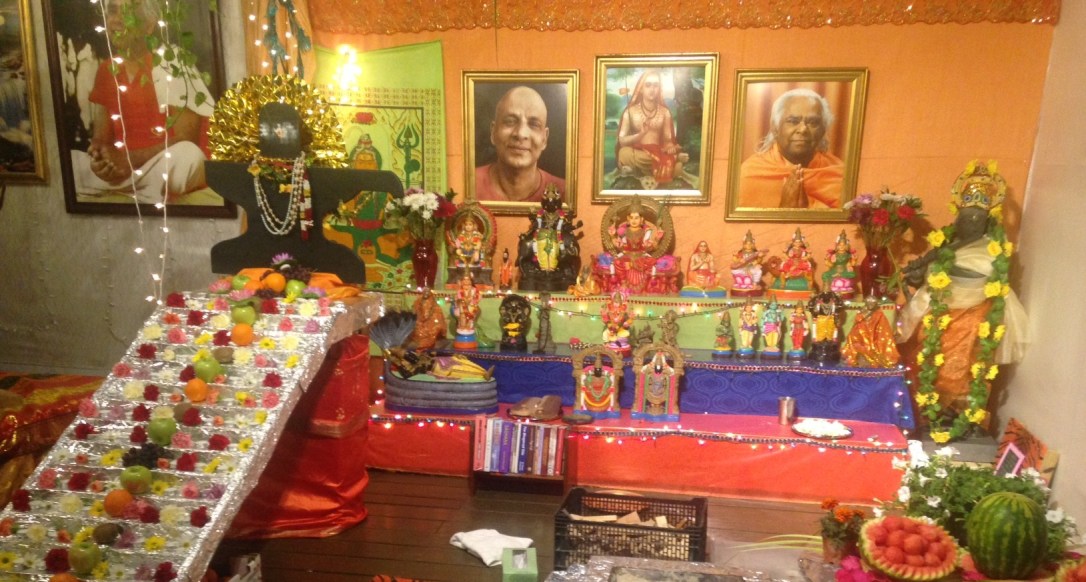
Sivananda simply is a holistic approach to health and well-being, a synthesis of the four paths of yoga developed by Swami Sivananda. The message and practice of this ancient tool for health and inner peace was brought to the US and Canada (and in numerous other places throughout the world) by his disciple Swami Vishnudevananda in the 1960s. Swami Vishnudevananda is credited with starting the first yoga teacher training course (TTC) in the United States, with more than 26,000 TTC graduates to date globally. Its mission was, and still is, to properly develop professionals in yoga and spread the message of peace in the world.
Side note: I am reading a fantastic book right now that my housemate lent me, The American Veda, which illustrates how Eastern philosophy and yoga has influenced American culture more than we have realized – and yoga studios in probably every major city/town in the US can attest to this.
What are the four paths of Yoga?
- KARMA YOGA – THE YOGA OF ACTION
- Self-less service to humanity, with no attachment to the fruits of your actions or need for recognition. Giving to others (time, energy, resources, etc) and putting other beings before your self is the force behind Karma Yoga.
- BHAKTI YOGA – THE PATH OF DEVOTION OR DIVINE LOVE
- Devotion can be interpreted in many ways: prayer, chanting, loving relationships, rituals, the worship of God (whatever that means to you) or the Divine. Love is the guiding force on this path, and one finds ways to express and embody this love in their lives.
- RAJA YOGA – THE SCIENCE OF PHYSICAL AND MENTAL CONTROL
- The practice of hatha yoga, asanas (steady poses), and pranayama (breathing exercises) fall into this path – where one alleviates physical tension and possesses mental clarity to prepare for meditation.
- JNANA YOGA – THE YOGA OF KNOWLEDGE OR WISDOM
- The reading of Vedanta (Yogic philosophy from ancient texts) is one step on this path, in order to reach a deeper understanding of life and our selves.
I love the description of the four paths and its applicability into our lives from the OM Tribe. For more information on the philosophy from Sivananda you can visit their website and find many texts on the subject.
So, why is this important?
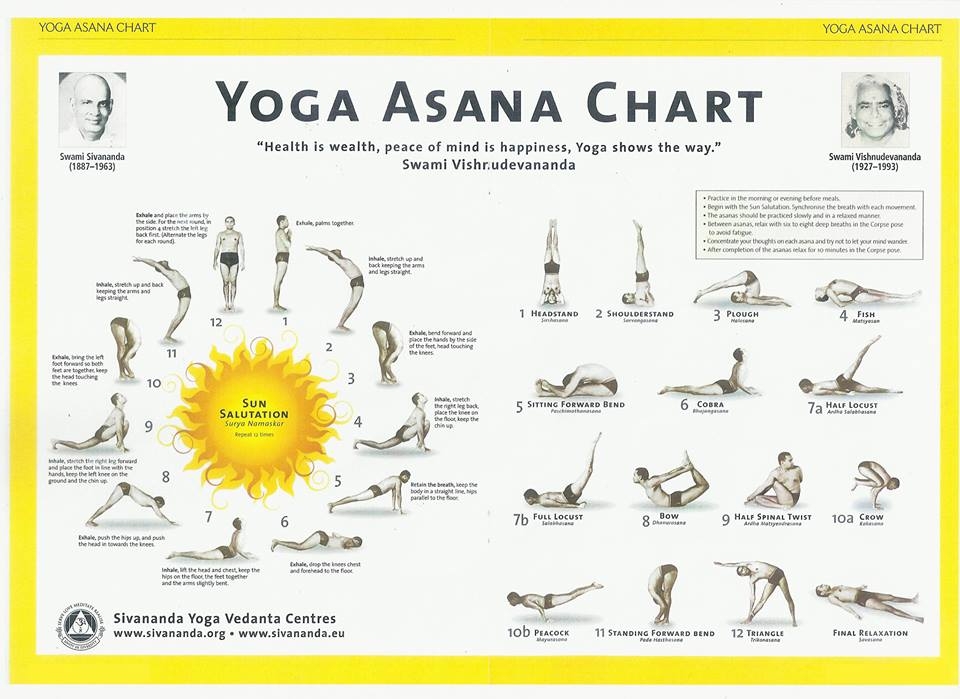
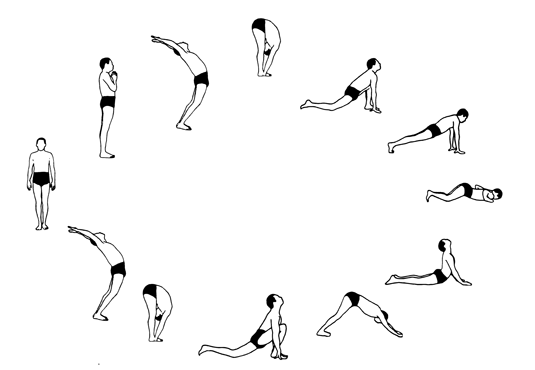
The practice of hatha yoga (the union of opposites; creating unity between body and mind) on our mats is a sequence of asanas and pranayama that falls under the path of Raja Yoga, as mentioned above. A typical 90 minute Sivananda hatha yoga class usually includes pranayama, warm ups with sun salutations (pictured below), abdominal strength building, 12 basic postures, relaxation and meditation. These are fantastic tools, and can help people immensely to tackle stress, anxiety, depression, sleeping problems, back pain, thyroid issues, and the list goes on. It’s important to note here too that there is much more to yoga than being able to stand on your head, contort your body in an arm balance, or do 12 rounds of sun salutations. Hatha Yoga is not a competitive sport, and listening to your body and its wisdom is of utmost importance. Whatever your previous background is, learning asanas, doing breathing exercises, and/or making time for meditation or mindfulness in your practice and daily life can make a huge difference in your physical and mental well-being. Swami Sivananda’s teaching included the concept of “little, little” – doing a little bit at a time on each of the paths of yoga, and not trying to do too much at once.

 Narayani Yoga